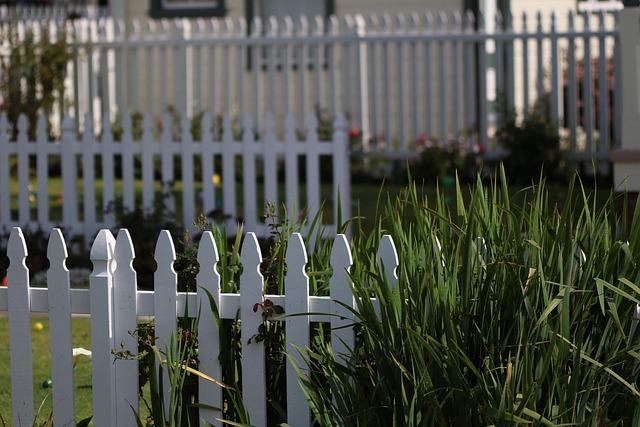
In New Bedford, MA, enhancing your outdoor space with a privacy fence is an investment that offers both security and aesthetic appeal. This article guides you through the process of installing a privacy fence, from selecting the ideal material—be it wood, vinyl, or metal—to ensuring proper installation and post-care maintenance. Learn how to transform your backyard into a tranquil retreat, ensuring privacy while enjoying the beauty of New Bedford’s natural surroundings.
- Privacy Fences: Enhancing Outdoor Spaces in New Bedford
- Choosing the Right Material for Your Fence
- Installation Process: Step-by-Step Guide
- Post-Installation Care and Maintenance Tips
Privacy Fences: Enhancing Outdoor Spaces in New Bedford
Privacy fences have become an increasingly popular feature in outdoor spaces across New Bedford, MA. They offer more than just a physical barrier; they are a statement piece that enhances curb appeal and provides residents with a sense of security and seclusion. With various styles, materials, and designs available, homeowners can choose a privacy fence that aligns with their aesthetic preferences and lifestyle needs.
From classic wood to modern vinyl, each material offers unique benefits in terms of durability, maintenance, and visual appeal. Whether you’re looking for a traditional look or something contemporary, a well-installed privacy fence can transform your outdoor area into a tranquil retreat, providing a buffer from neighboring properties while allowing natural light and air circulation.
Choosing the Right Material for Your Fence
When considering a privacy fence installation in New Bedford, MA, selecting the right material is key to achieving both your desired aesthetic and level of privacy. Wood offers a classic, natural look, but requires regular maintenance to prevent rot and insect damage. Vinyl fencing is low-maintenance and available in various styles, including picket and privacy designs, offering good value for money. Metal fences, often made from aluminum or steel, provide exceptional durability and security, though they may not be as visually appealing as other options.
Factors like climate, budget, and personal preference should guide your choice. In New Bedford’s coastal environment, materials resistant to moisture and salt air corrosion are preferable. Additionally, consider the fence’s intended purpose—to block out neighbors or create a secure backyard oasis—as this will influence the level of privacy and security needed, which in turn impacts material selection.
Installation Process: Step-by-Step Guide
The installation process for a privacy fence starts with preparation. First, meet with a professional to assess your yard and choose the best fence type and design for your needs and space. Measure the perimeter accurately, considering any unique features or obstacles in the way. Then, obtain necessary permits from local authorities before purchasing materials.
Next, mark out the fence line clearly using string or stakes. Dig holes for the posts, ensuring they are deep enough to provide stability. Place the posts in the holes, level them, and backfill with concrete to secure them firmly. After the concrete sets, attach the rails to the posts, creating a framework. Finally, connect the panels to the rails, securing them tightly with hardware, and trim any excess material for a neat finish.
Post-Installation Care and Maintenance Tips
After your privacy fence is installed, proper care and maintenance will ensure its longevity and appearance. Regularly inspect your fence for any signs of damage or wear, such as loose pickets, rusted hardware, or cracks in the wood. Promptly address these issues to prevent further deterioration.
Keep your fence clean by brushing off dirt and debris regularly. Use a soft brush or sponge and mild soap and water to gently clean the fence, avoiding harsh chemicals that could damage the finish. During the winter months, consider applying a protective coat of sealant to shield the wood from freezing temperatures and snow accumulation.