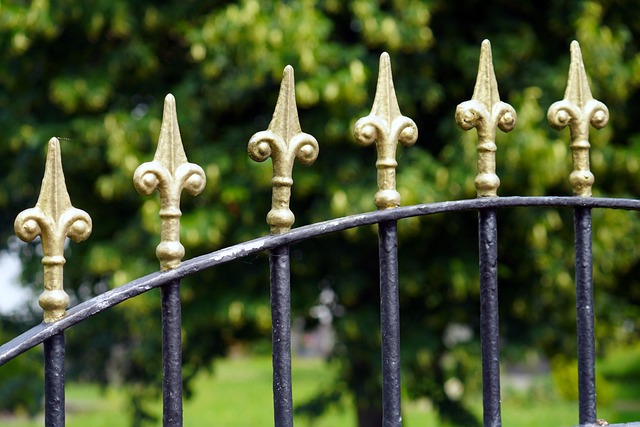
Introducing the Ultimate Guide to Fence Staining and Sealing
Transform your ordinary wooden fence into a stunning feature with expert knowledge on staining and sealing. This comprehensive article delves into the art of enhancing outdoor spaces, offering insights on understanding various stain types, preparing your fence, and selecting the perfect color. Learn about effective application methods—brushing, rolling, or spraying—and discover the significance of sealing for long-lasting protection. Additionally, explore maintenance tips to ensure your fence remains a vibrant addition to your landscape.
- Understanding Fence Staining: Benefits and Types
- Preparing Your Wooden Fence for Staining
- Choosing the Right Stain: Color and Formula
- Application Techniques: Brushing, Rolling, or Spraying?
- Sealing for Protection: The Importance and Process
- Maintenance Tips to Keep Your Fence Looking New
Understanding Fence Staining: Benefits and Types
Understanding Fence Staining: Benefits and Types
Fence staining is a popular method to enhance the appearance and longevity of wooden fences. It involves applying a pigmented sealer or paint to protect the wood from the elements, prevent rot, and add aesthetic appeal. The primary benefits include improved durability, enhanced color and texture, and easier maintenance compared to frequent repainting. Staining also allows for customization through various colors and finishes, catering to different preferences and architectural styles.
There are two primary types of fence staining: semi-transparent and solid. Semi-transparent stains penetrate the wood, offering moderate protection while allowing some natural grain to show. This option is ideal for those who want to maintain a more organic look. Solid stains, on the other hand, form a protective barrier over the wood, providing maximum defense against water, UV rays, and other environmental factors. They offer better concealment of the wood’s natural color and can last longer, making them suitable for high-traffic areas or where a more dramatic color change is desired.
Preparing Your Wooden Fence for Staining
Before applying any stain or sealer, preparing your wooden fence is a crucial step in ensuring optimal results. Start by thoroughly cleaning the fence to remove any dirt, dust, or debris that might prevent the stain from adhering properly. Use a pressure washer or a stiff brush and mild detergent for this process. Inspect the wood for any signs of rot, cracks, or damaged boards, as these areas will need to be repaired before staining. Fill in any holes with a suitable wood filler and sand any rough spots until they are smooth.
Once the fence is clean and repairs have been made, it’s essential to apply a primer designed specifically for wood. This step helps the stain penetrate better and enhances adhesion, resulting in a more even and durable finish. Follow the manufacturer’s instructions for application, ensuring even coverage across all surfaces of the wooden panels.
Choosing the Right Stain: Color and Formula
Choosing the right stain is a crucial step in fence staining and sealing. First, consider the color you want to achieve. Fences can range from natural wood tones to rich, deep shades, so select a hue that complements your home’s exterior and personal style. The formula of the stain is equally important; water-based stains are easy to apply and fast-drying, while oil-based stains offer better protection against UV rays and extreme weather conditions but take longer to dry.
When selecting a color, think about the effect you desire. Lighter shades can make your fence appear larger and airier, while darker colors add depth and drama. Some stains also come with added benefits like UV protection or water repellency, so read labels carefully to ensure the stain meets your long-term needs for both aesthetics and durability.
Application Techniques: Brushing, Rolling, or Spraying?
When it comes to applying stain and sealer to your wooden fence, there are three primary techniques to consider: brushing, rolling, or spraying. Each method has its advantages and is suited to different situations. Brushing is a traditional technique that offers precise control over the application. It’s ideal for intricate designs, corners, and hard-to-reach areas where a brush can maneuver effortlessly. However, it can be time-consuming for larger fences.
Rolling is a fast and efficient method, covering more surface area in less time compared to brushing. It’s perfect for uniform surfaces with minimal detail work. A roller allows for even distribution of the stain or sealer, ensuring consistent coverage. Spraying, on the other hand, offers the quickest application but requires more skill to achieve a professional finish. It’s best suited for large, flat areas where an airless sprayer can evenly coat the fence without drips or splatters.
Sealing for Protection: The Importance and Process
Wooden fences are an attractive addition to any property, but they require regular maintenance to protect against the elements. Sealing is a crucial step in preserving the beauty and longevity of your wooden fence. It creates a protective barrier by sealing in the natural oils and finishes, shielding the wood from water damage, UV rays, and other environmental factors that can cause fading, cracking, and rot.
The process involves cleaning the fence to remove any dirt or debris, followed by applying a high-quality sealant. There are various types of sealants available, each offering different levels of protection and durability. Water-based sealants are popular for their low odor and easy application, while oil-based options provide deeper penetration and longer-lasting protection. Applying the sealant with a brush or roller ensures even coverage, allowing the sealant to bond with the wood and create a durable, protective layer.
Maintenance Tips to Keep Your Fence Looking New
Regular maintenance is key to keeping your wooden fence looking new and vibrant for years to come. A simple cleaning routine can help remove any dirt, mildew, or mold that may accumulate over time. Use a soft brush or sponge and mild soap mixed with water to gently scrub the fence’s surface. Rinse thoroughly with clean water to ensure no residue is left behind.
For an added protective layer, apply a sealant at least once a year, depending on exposure to weather conditions. This will help shield the wood from moisture, UV rays, and other elements that can cause fading or cracking. Choose a high-quality sealant designed for outdoor use and follow the manufacturer’s instructions for application. Regular maintenance and sealing will not only keep your fence aesthetically pleasing but also extend its lifespan, ensuring it remains a stunning addition to your outdoor space.